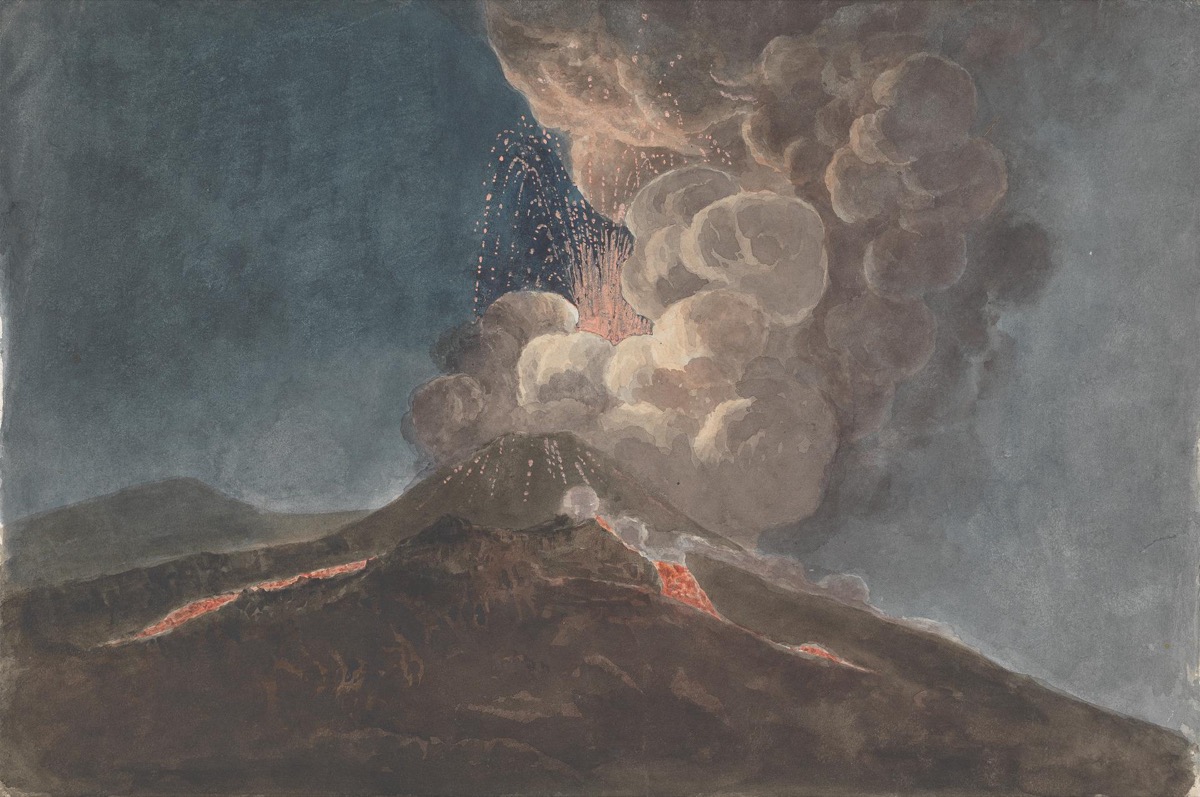
Detailed account of the 79 AD eruption that preserved Pompeii for posterity
The eruption column reached a height of 33 kilometers
The pyroclastic flows reached temperatures of 400°C
The pyroclastic flows traveled at speeds of up to 100 km/h
The eruption lasted for approximately 24 hours
噴火の地層の段階的な説明 (*注: 伝統的に8月24日とされてきましたが、最近の考古学的証拠は、噴火が紀元79年の10月下旬に発生した可能性が高いことを示唆しています*)
A series of small earthquakes shook the region for four days. Springs and wells dried up mysteriously. Animals exhibited strange behavior, fleeing the area. Most residents, accustomed to seismic activity, ignored these omens.
Many wealthy residents left for their country villas, inadvertently saving their lives
Minor explosions began as magma contacted groundwater. A small dark cloud appeared above Vesuvius. Many residents continued their daily activities, unaware of the impending catastrophe.
Markets remained open; life continued normally in Pompeii
A massive explosion sent a column of volcanic ash, pumice, and gases 20 kilometers into the stratosphere. The eruption column resembled a Mediterranean pine tree, as described by Pliny the Younger. The sound was heard hundreds of miles away.
Panic began as day turned to night; first evacuations started
White pumice stones, some as large as walnuts, began falling on Pompeii at a rate of 15 cm per hour. Roofs began collapsing under the weight. The pumice was light but accumulated rapidly, blocking doorways and trapping those who delayed escape.
Buildings collapsed; 38% of victims died from falling debris
The eruption intensified, ejecting denser gray pumice. By now, 2.8 meters of volcanic material covered Pompeii. Streets were impassable. Those still in the city took shelter in buildings, sealing themselves in what would become their tombs.
Escape routes blocked; remaining population trapped
The 33-kilometer eruption column became unstable and began periodic collapses. Each collapse sent avalanches of superheated gas and volcanic matter racing down Vesuvius' slopes at 100 mph.
First pyroclastic surges reached Herculaneum, instantly killing all life
A relatively cool surge (300°C) swept through Pompeii. While not immediately lethal, it knocked people down and filled lungs with ash. Victims assumed protective positions, covering their faces with clothing or hands.
Most survivors suffocated; bodies preserved in final positions
The fourth and most powerful pyroclastic surge hit Pompeii at 400-500°C. This surge instantly killed any remaining life and carbonized organic material. The heat was so intense it turned victims' brains to glass and vaporized bodily fluids instantly.
Complete annihilation; city buried under 4-6 meters of volcanic material
The eruption finally ceased after 24 hours. Where Pompeii once stood, only a gray desert remained. The coastline had changed; the Sarno River was blocked. Survivors who returned found no trace of their city.
20,000 people across the region dead; cities erased from the map